Introduction: What Is a Fixed Partial Denture?
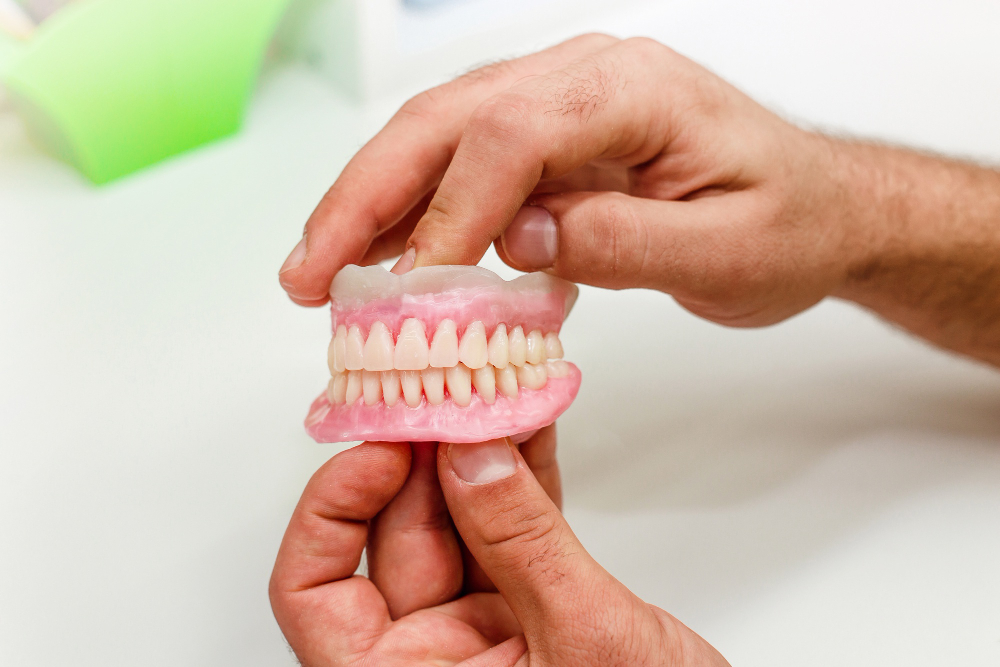
Missing teeth can affect your smile and daily life. A Fixed Partial Denture (FPD) is a popular dental solution for missing teeth. Dentists often call it a dental bridge. It fills the gap left by one or more missing teeth. Because it is fixed, you cannot remove it at home. Instead, your dentist attaches it to nearby healthy teeth. This helps restore your bite and keeps your smile looking natural.
Problems Caused by Missing Teeth
When you lose a tooth, it can cause several problems. For example, chewing food may become hard. Also, your speech can change. Over time, your other teeth may shift into the empty space. This can lead to more dental issues. In addition, missing teeth may affect your confidence. Here are some common problems caused by missing teeth:
What Is a Fixed Partial Denture and How Does It Work?
A Fixed Partial Denture is a dental device used to replace missing teeth. It is made of artificial teeth attached to a metal or ceramic base. The dentist places the FPD by anchoring it to the healthy teeth on each side of the gap. These supporting teeth are called abutment teeth. The artificial teeth in the middle are called pontics. Because the FPD is fixed, you do not remove it for cleaning. Instead, you clean it like your natural teeth. This dental solution helps restore your bite and keeps your teeth in place.
Main Causes for Needing an FPD
Many people need a Fixed Partial Denture for different reasons. Often, tooth loss happens due to:
Because missing teeth can cause many problems, dentists recommend FPD as a reliable solution.
Diagnosis and Evaluation for FPD
Before getting a Fixed Partial Denture, your dentist will do a full check-up. First, they will examine your mouth and teeth. Next, they may take X-rays to see the bone and roots. Sometimes, they use dental impressions to make a model of your teeth. This helps plan the FPD procedure. The dentist will also check if your gums and supporting teeth are healthy. If you have any dental issues, they will treat those first. After the evaluation, your dentist will discuss the best options for you.
FPD Treatment Steps and Options
The Fixed Partial Denture procedure usually involves several steps. Here is what you can expect:
There are different types of FPDs, such as traditional, cantilever, and Maryland bridges. Your dentist will help you choose the best type for your needs.
Aftercare and Lifestyle Guidance for FPD Users
After getting a Fixed Partial Denture, proper care is important. Good habits help your FPD last longer. Here are some tips for aftercare:
With the right care, your FPD can last many years and keep your smile healthy.
Tips for Preventing Tooth Loss
While FPD is a great solution, it is best to prevent tooth loss. You can protect your teeth by following these tips:
Because prevention is easier than treatment, these habits can help you keep your natural teeth longer.
Frequently Asked Questions (FAQ) About Fixed Partial Denture
Conclusion
Missing teeth can affect your health and confidence. However, a Fixed Partial Denture offers a strong and natural-looking solution. If you are considering an FPD dental solution, talk to your dentist. They can guide you through the FPD procedure and help you care for your new smile. Consult a dental specialist for personalized advice on Fixed Partial Dentures.