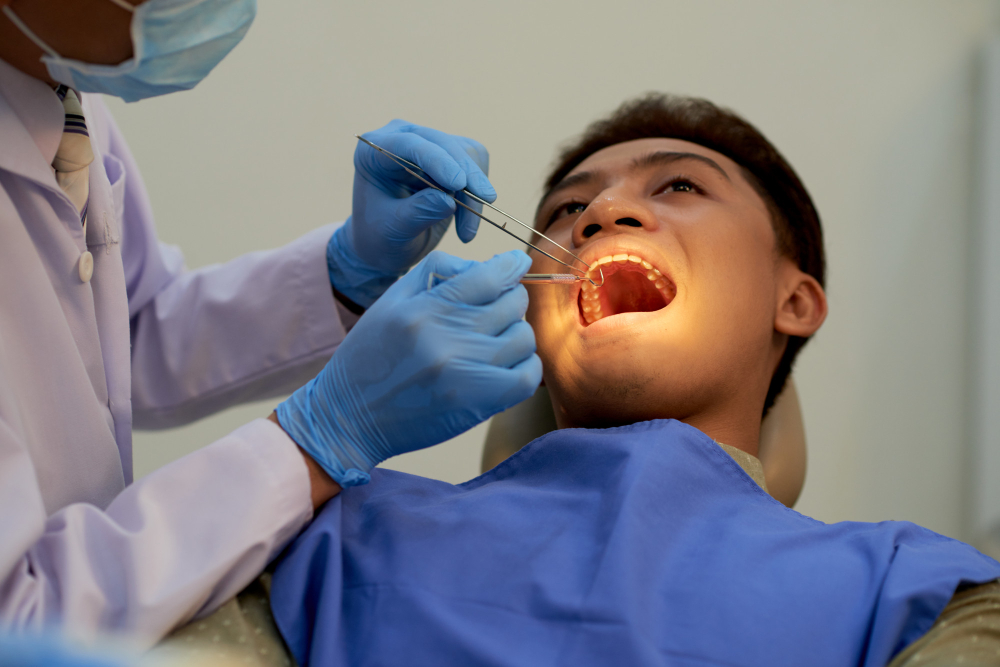
What is Dental Scaling?
Dental scaling is a professional teeth cleaning method. Dentists use it to remove plaque and tartar from your teeth. Plaque is a sticky film of bacteria. Tartar is hardened plaque that regular brushing cannot remove. Because dental scaling reaches below the gumline, it helps keep your gums healthy. Many people need dental scaling to prevent gum disease and tooth loss.
Why is Dental Scaling Important?
Dental scaling is important for several reasons. First, it helps prevent gum disease, also called periodontitis. Second, it removes harmful bacteria that can cause bad breath. In addition, dental scaling lowers your risk of tooth decay. According to the CDC, regular professional teeth cleaning can improve your oral health. Therefore, dental scaling is a key part of dental care.
Signs You May Need Dental Scaling
Sometimes, it is hard to know if you need dental scaling. However, there are some signs to watch for:
If you notice any of these signs, you should visit your dentist. Early treatment can prevent more serious problems.
The Dental Scaling Procedure: Step-by-Step
Many people wonder how dental scaling works. Here is what you can expect during the procedure:
Sometimes, your dentist may use an ultrasonic scaler. This tool uses vibrations and water to clean your teeth gently. The whole process usually takes less than an hour.
Benefits of Dental Scaling
Dental scaling offers many benefits for your oral health. For example, it:
Because dental scaling removes bacteria, it can also help protect your heart and body. Studies show that good oral health supports general health.
Aftercare Tips and Recovery
After dental scaling, you may feel some sensitivity. However, this usually goes away in a few days. To help your recovery, follow these aftercare tips:
If you notice heavy bleeding or pain, contact your dentist right away. Most people return to normal activities the same day.
Risks and Side Effects
Dental scaling is safe for most people. Still, some may experience mild side effects. These can include:
Usually, these side effects are temporary. However, if symptoms last more than a few days, you should see your dentist. Rarely, infection or gum injury can occur, but dentists take steps to prevent this.
Prevention and Oral Hygiene Tips
Good oral hygiene can help you avoid the need for frequent dental scaling. Try these tips:
With proper care, you can keep your teeth and gums healthy for life.
In summary, dental scaling is a safe and effective way to protect your oral health. If you have questions or notice signs of gum disease, consult your dentist for personalized advice on dental scaling and oral health.