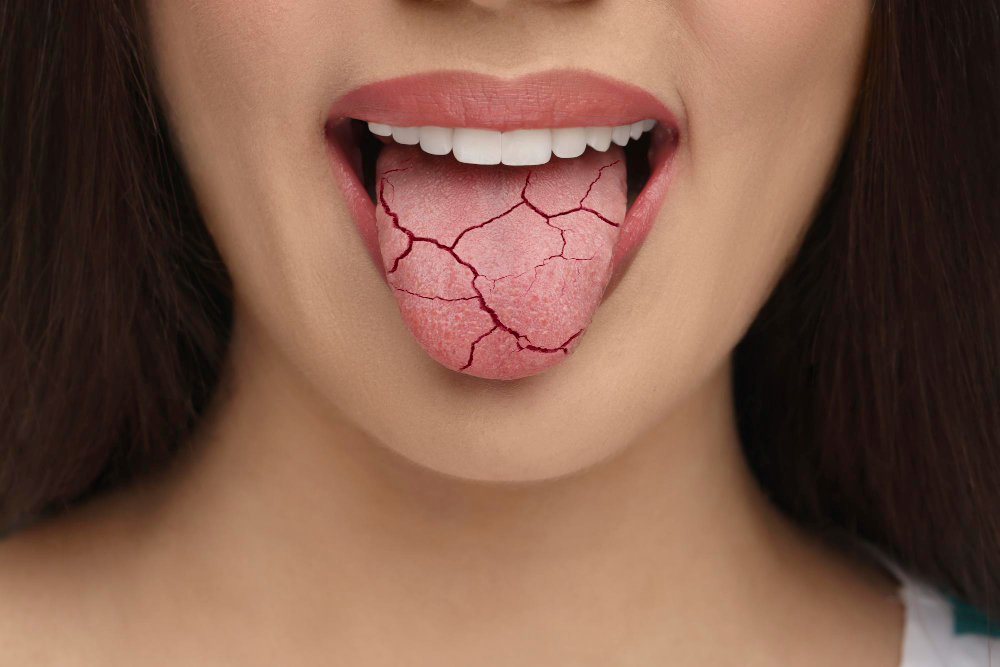
What Is Dry Mouth (Xerostomia)?
Dry mouth (xerostomia) happens when your mouth does not make enough saliva. Saliva keeps your mouth moist and helps with chewing, swallowing, and speaking. Without enough saliva, your mouth can feel dry and uncomfortable. Many people experience dry mouth at some point. However, if it lasts, it can affect your oral health. Dentists often see patients with this problem. Understanding dry mouth is important for your comfort and health.
Common Symptoms of Dry Mouth
Dry mouth (xerostomia) can cause many symptoms. Some are mild, while others can be more bothersome. Early signs may be easy to miss. But, noticing them can help you get relief sooner. Common symptoms include:
If you notice these signs, it may be time to seek advice. Early treatment can prevent further problems.
Causes and Risk Factors
Many things can lead to dry mouth. Some causes are temporary, while others are long-term. Knowing the cause can help you find the right relief. Common dry mouth causes include:
Older adults are more likely to have dry mouth. However, anyone can be affected. If you take several medicines, your risk may be higher.
How Is Dry Mouth Diagnosed?
Dentists can diagnose dry mouth (xerostomia) during a dental visit. First, they will ask about your symptoms and health history. Then, they may check your mouth for signs of dryness or damage. Sometimes, they will measure your saliva flow. In some cases, your dentist may suggest blood tests or refer you to a doctor. Early diagnosis helps prevent tooth decay and gum problems. If you think you have dry mouth, see your dentist soon.
Treatment Options and Home Remedies
There are many ways to get xerostomia relief. Your dentist will suggest the best treatment based on the cause. Some common options include:
For those looking for natural relief, treating dry mouth naturally may include sipping water, sucking on ice chips, or eating moist foods. However, always talk to your dentist before starting new remedies.
Tips for Prevention and Oral Care
Preventing dry mouth can protect your teeth and gums. Good oral care is key. Here are some helpful tips:
With these steps, you can lower your risk of dry mouth and keep your smile healthy.
When to See a Dentist
Sometimes, dry mouth (xerostomia) can be a sign of a bigger health issue. If your symptoms last more than a few days, it is important to see a dentist. You should also seek help if you have trouble eating, swallowing, or speaking. Early care can prevent tooth decay and infections. For those looking for a dentist for dry mouth, many dental clinics offer dry mouth treatment in your area. Do not wait for symptoms to get worse.
If you experience persistent dry mouth, consult a dentist for personalized advice. Early treatment can help you feel better and protect your oral health.